Multispecies Pastures and Cover Crops: Building Resilience from the Ground Up in Gippsland
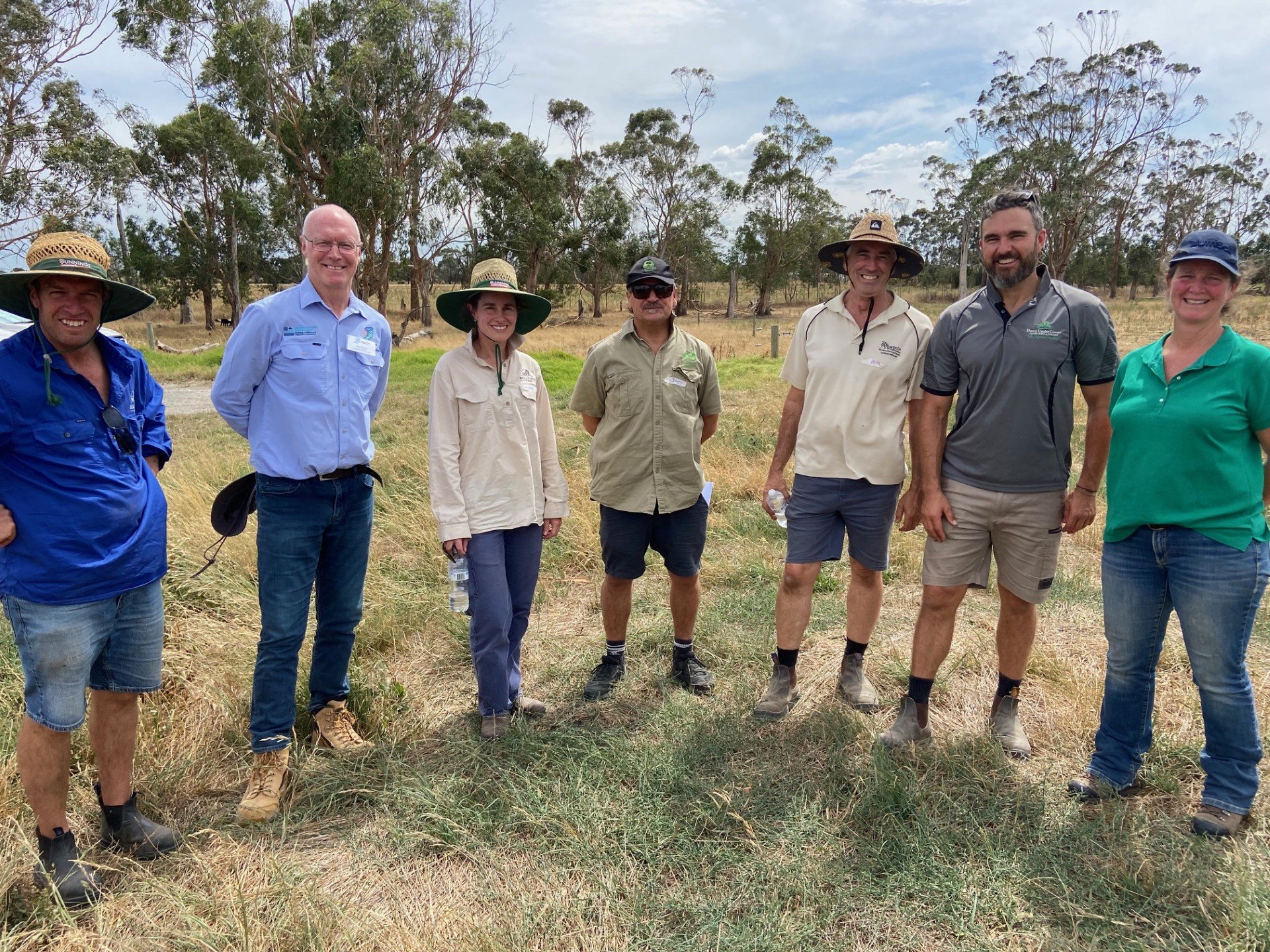
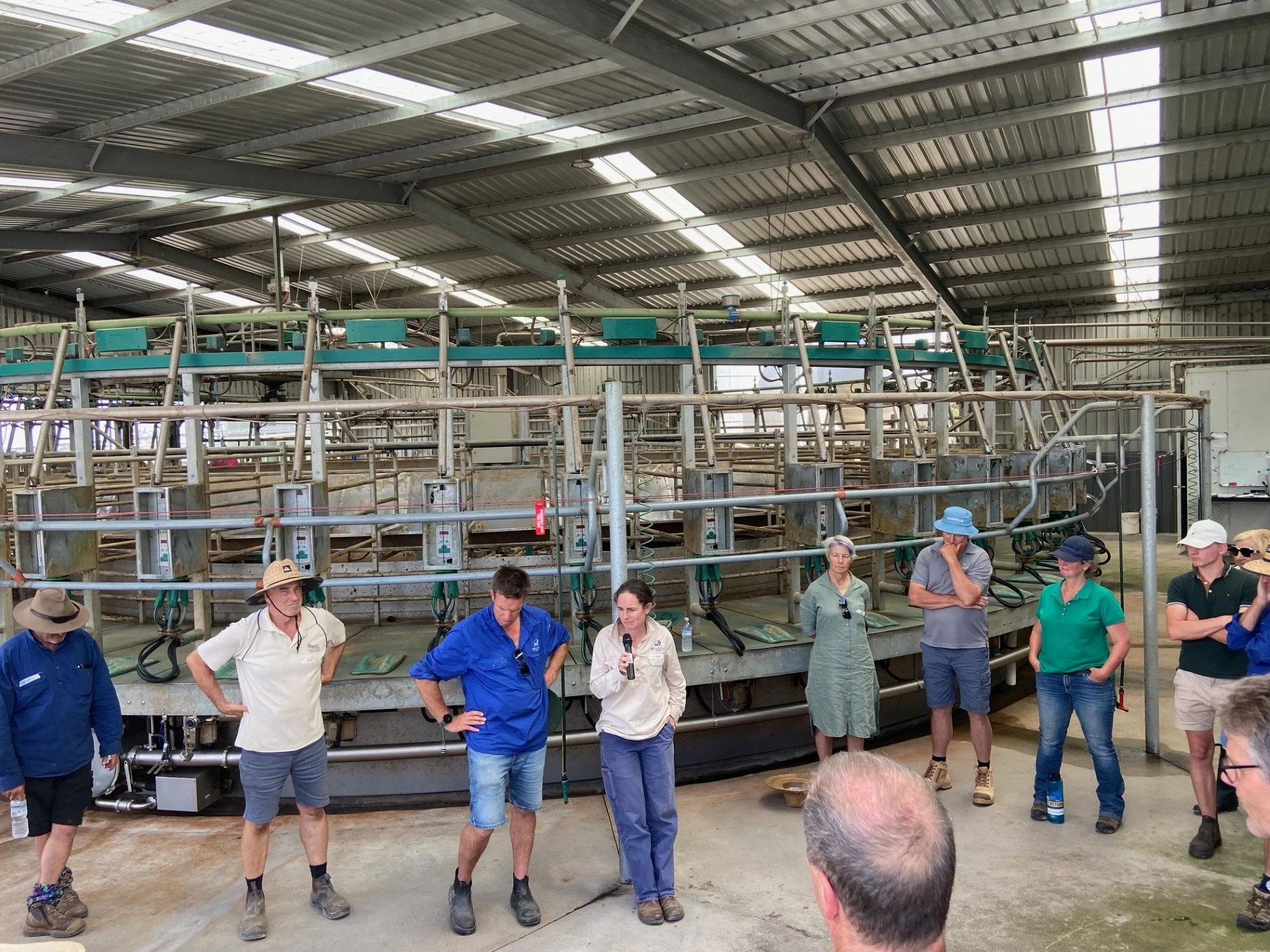
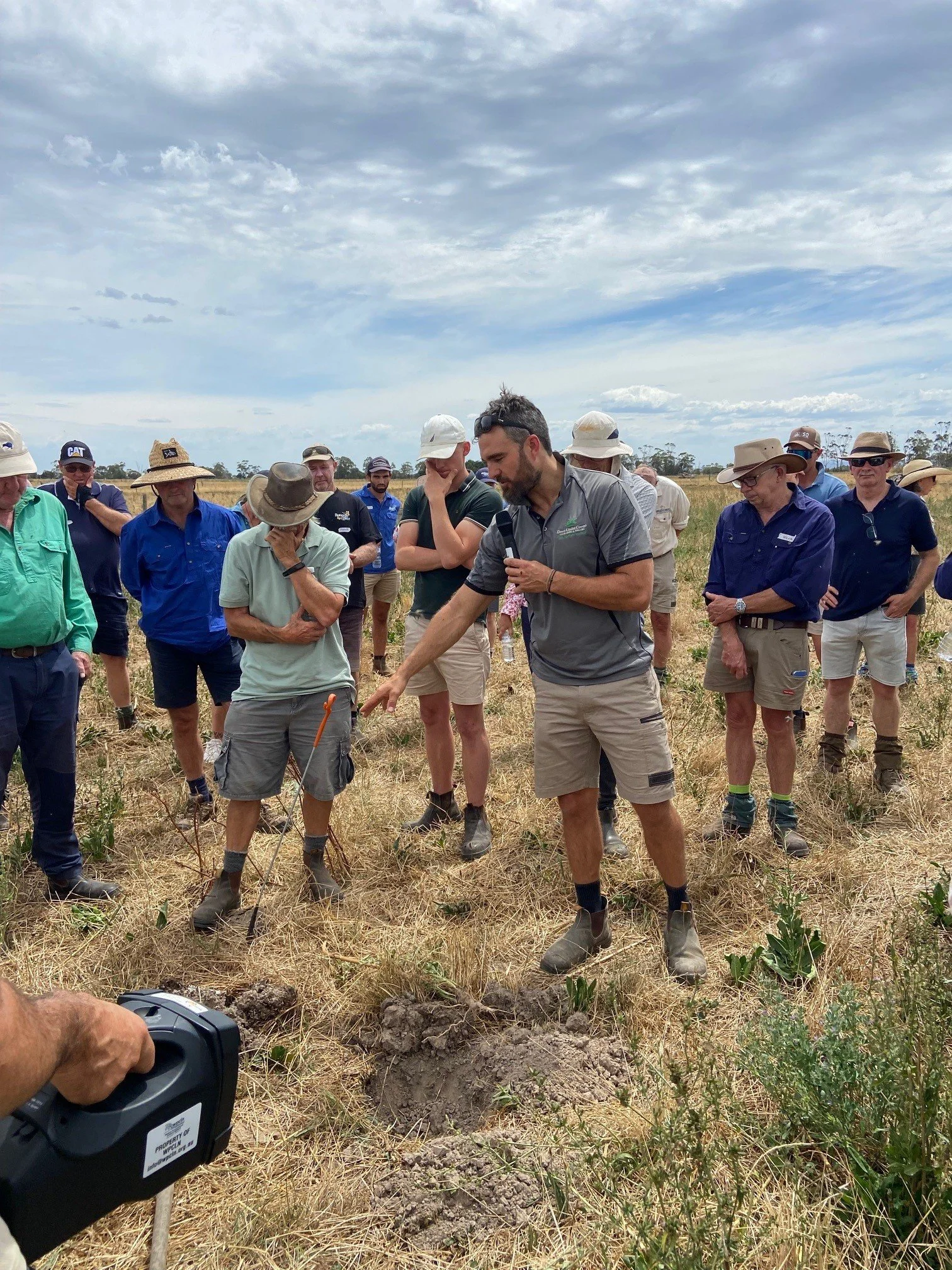
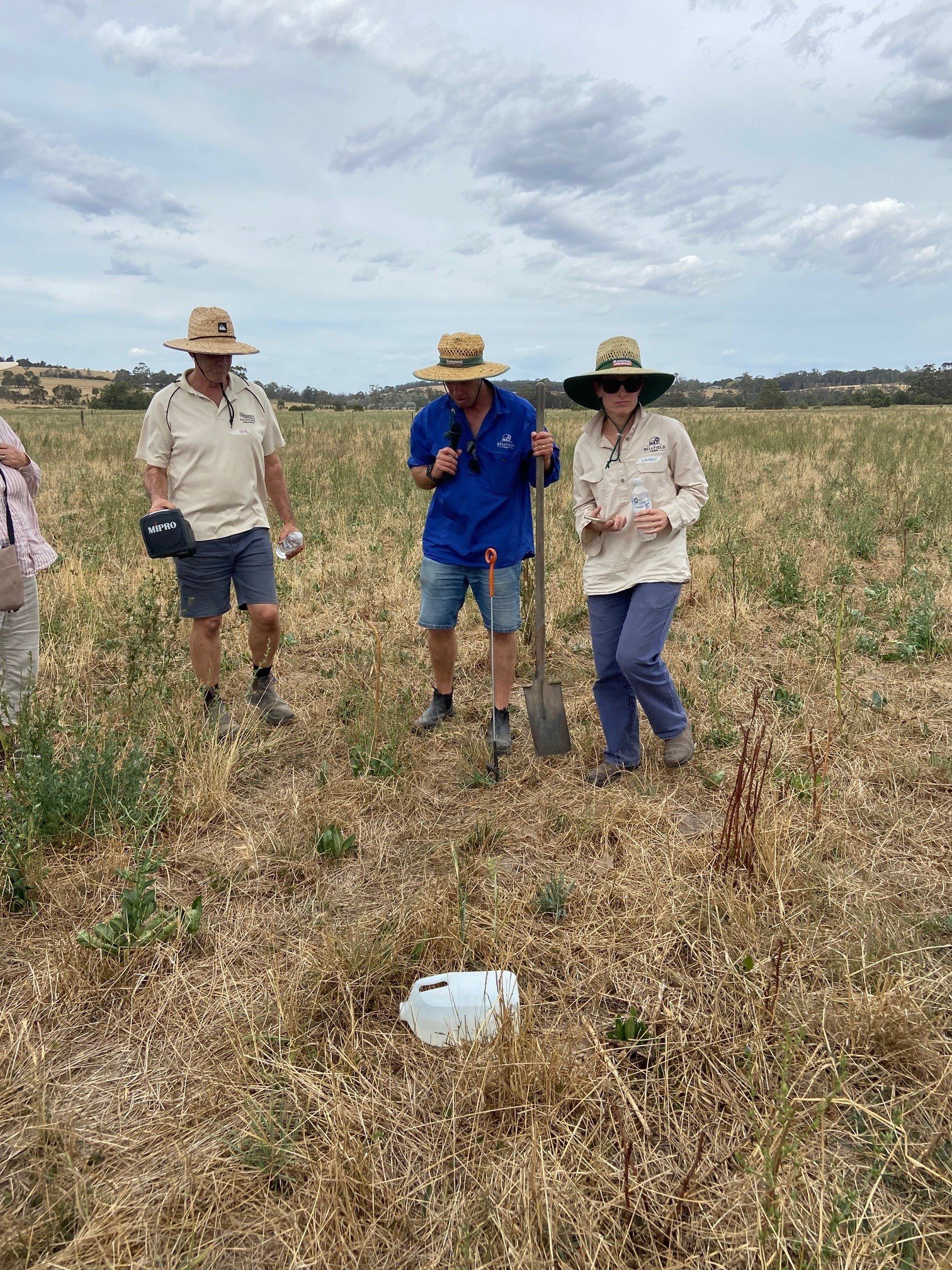
As Gippsland farmers continue to face tightening margins and increasingly variable seasons, practical solutions that strengthen both productivity and resilience are more important than ever. On Tuesday 17 February, growers, advisors and industry representatives came together at Yannathan for the Multispecies Pastures and Cover Crops Field Day, hosted by Bass Coast Landcare and Western Port Catchment Landcare, to explore how diversity-driven pasture systems can play a role in meeting these challenges head-on.
Food & Fibre Gippsland’s South East Node attended the event to deepen understanding of how multispecies pastures can be integrated into working dairy and beef systems, and to assess their potential to improve drought resilience, soil health and whole‑of‑business outcomes.
Learning from Experience: Multispecies Systems in Practice
The field day was facilitated by Joel Geoghegan (Bass Coast Landcare Network) and Peter Ronalds (Inspired Ag Solutions), with keynote insights from Grant Sims, sixth‑generation Victorian farmer and co-founder of Down Under Covers.
Grant shared lessons from decades of system change on his 8,500‑acre mixed enterprise in northern Victoria. With a long history of no‑till farming, the Sims family transitioned away from synthetic fertilisers in 2008, instead adopting biological inputs and highly diverse crop and pasture mixes. Grant emphasised that diversity below and above ground is key to restoring soil function and improving farm performance.
Drawing on extensive on‑farm trials, he outlined how multispecies mixes can:
Improve rooting depth and break up soil compaction through tap‑rooted species
Enhance water use efficiency and nutrient cycling
Support soil biology and carbon function
Deliver reliable feed and liveweight gains with lower input risk
These principles were reinforced through a practical demonstration and discussion on designing biologically aligned, cost‑effective mixes suited to different enterprises and environments.
Seeing It on Farm: Bellfield Park Dairy
After lunch, the group of around 50 participants travelled to Bellfield Park Dairy, the Yannathan property of Simon and Lauren Finger, for a guided farm walk. The Fingers shared their vision for integrating multispecies pastures into a commercial dairy system, explaining the thinking behind site selection, design and establishment.
They spoke candidly about the realities of implementation — including establishment challenges, seasonal pressures and decision‑making during a dry summer — and how these factors influence cost–benefit outcomes. Participants had the opportunity to examine pasture performance, discuss animal health considerations, and explore how diverse pastures can provide greater feed reliability during difficult seasons.
The discussion highlighted that while multispecies systems are not a silver bullet, they offer a flexible, low‑risk pathway that can strengthen resilience when supported by good planning and whole‑farm thinking.
Why It Matters: Resilience, Risk and Opportunity
A strong theme throughout the day was risk management. With feed gaps, rising input costs and climate uncertainty placing pressure on farm businesses, multispecies pastures were presented as a way to spread risk, stabilise production and reduce reliance on high‑input monocultures.
For Food & Fibre Gippsland’s South East Node, the field day closely aligned with objectives under Pasture 365 and broader resilience initiatives — particularly around supporting producers to adopt evidence‑based practices that build drought resilience and long‑term business viability.
The event also created valuable opportunities for networking and knowledge exchange, connecting producers with advisors, Landcare groups and innovators leading change in soil management, pasture renovation and climate adaptation.
Key Takeaways
The clear takeaway from Yannathan was that diversity builds strength. The experiences shared by Grant Sims and the Finger family demonstrated how multispecies pastures and cover crops can deliver tangible benefits — from improved soil structure and water‑holding capacity to more reliable feed and stronger business resilience.
As Gippsland farmers continue to navigate challenging conditions, practical demonstrations like this field day provide confidence, insight and inspiration. By learning from peers and seeing systems in action, producers are better equipped to make informed decisions that support both profitability and the next generation of farming.
For more information or enquiries about Food & Fibre Gippsland role in the Vic Hub South East Node and Pasture 365, please contact Brodie Anderson, Project Manager – Resilience & Innovation at brodie.anderson@foodandfibregippsland.com.au