Greening Dams: Practical Water Solutions for Resilient Gippsland Farms
How better dam management is delivering cleaner water, healthier stock and stronger farm businesses
Climate volatility is becoming part of everyday farming life across Gippsland. More frequent droughts, intense rainfall events and ongoing pressure on water security are challenging producers to rethink how they manage one of their most critical assets—water.
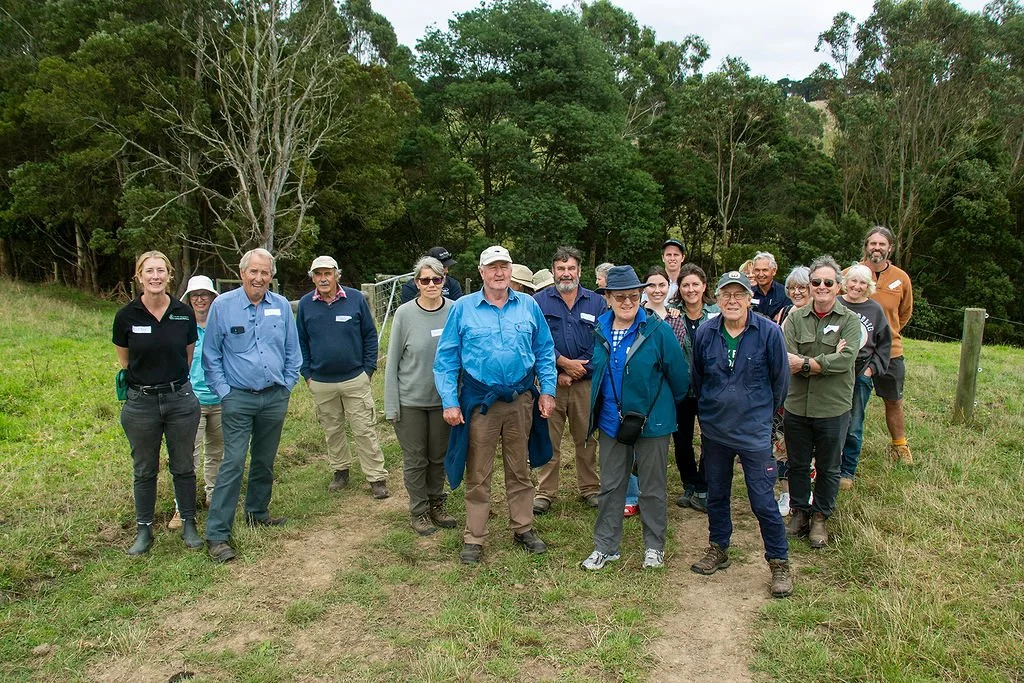
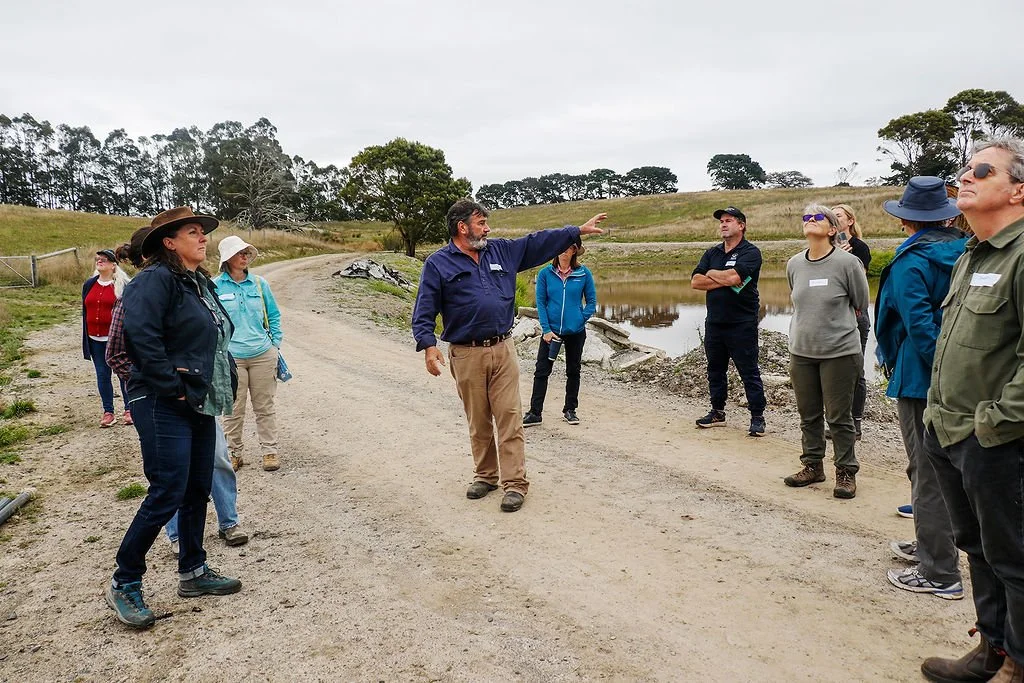
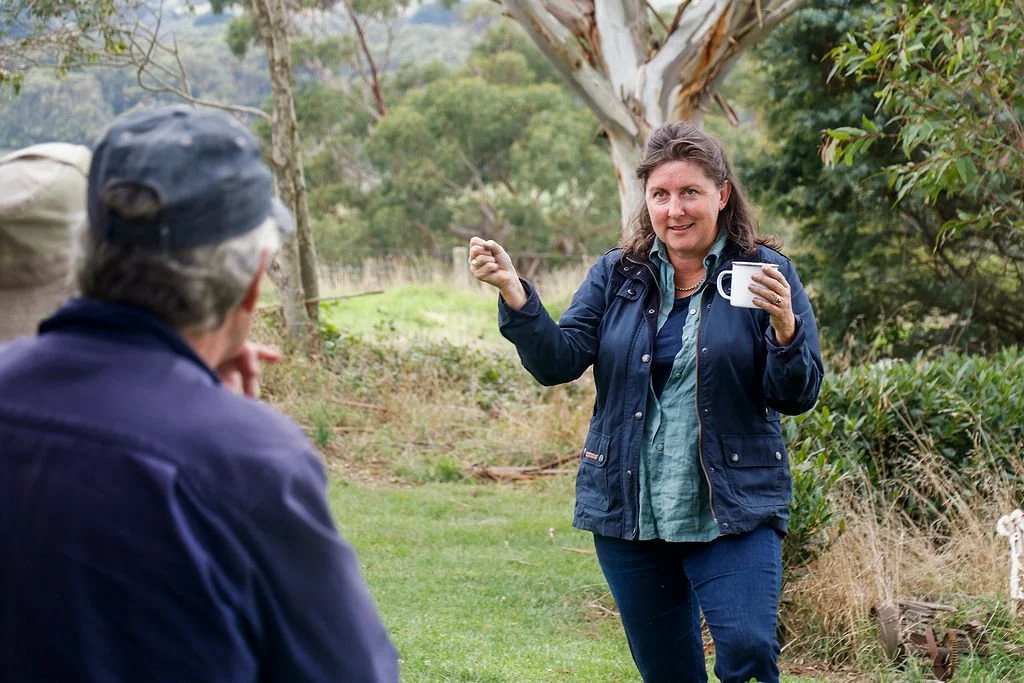
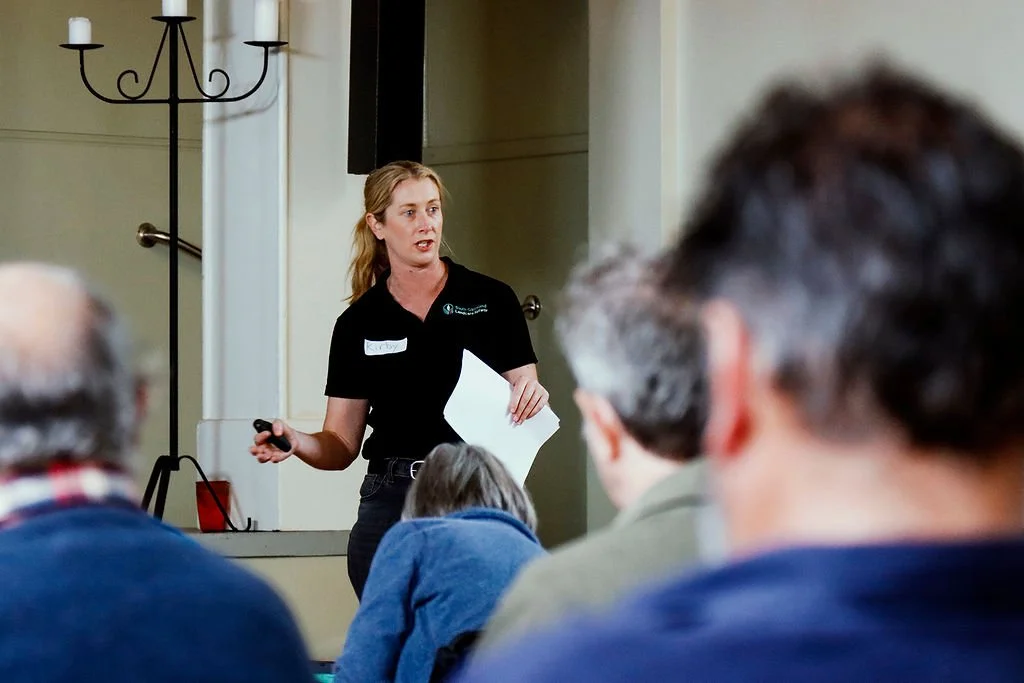
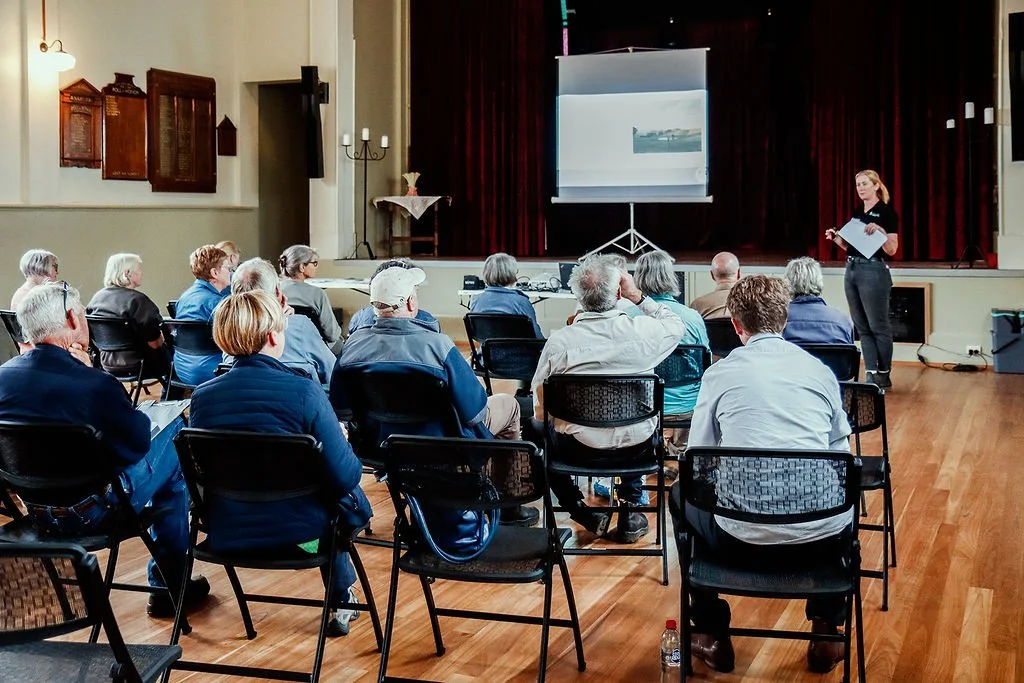
Against this backdrop, farmers, Landcare groups and industry representatives came together on 19 March 2026 for South Gippsland Landcare Network’s Greening Dams field day, a hands‑on event exploring practical ways to improve farm water quality, biodiversity and long‑term resilience.
Hosted at the Fish Creek Hall and on the nearby beef property of Paul and Sam Crock, the day showcased real‑world examples of how relatively simple changes to dam management can deliver meaningful environmental and productivity benefits.
Why farm dams matter more than ever
Farm dams are essential to grazing enterprises—but when stock have unrestricted access, water quality can decline quickly. Sediment disturbance, nutrient loading and erosion not only affect stock health, but also limit the broader environmental value of dams as habitat for insects, birds and native fish.
The Greening Dams project, led by South Gippsland Landcare Network (SGLN)—a collaboration of 16 local Landcare groups—is addressing this challenge head‑on. The multi‑year project examines how different approaches to dam management impact:
Water quality and reliability
Stock health and management
Biodiversity outcomes
Financial and labour costs for farmers
By comparing unfenced dams, restricted stock access, and full exclusion, the project aims to identify practical, scalable solutions that work for Gippsland conditions.
Insights from research and local expertise
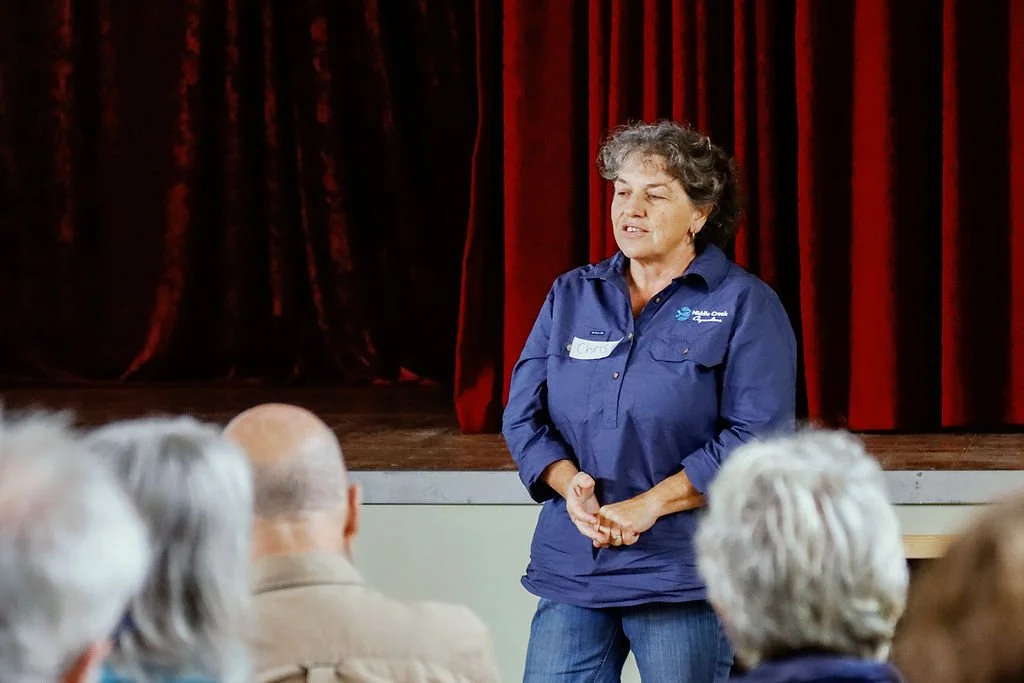
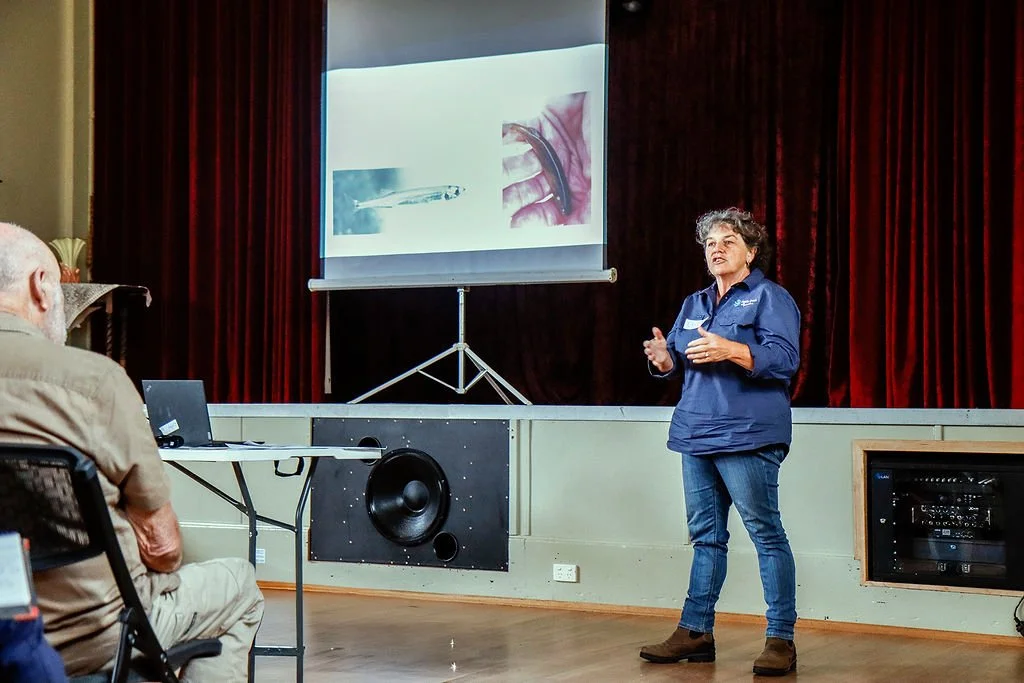
The field day began with an overview of the Greening Dams project, followed by a practical session with Chris Lamin from Middle Creek Aquaculture, a local breeder and supplier of small‑bodied native fish.
Chris explained what farm dams need to support fish and aquatic life—cleaner water, suitable depth, refuges, and habitat complexity—and how improved dam management can help restore ecological function without compromising farm productivity.
Participants also heard from Food & Fibre Gippsland, outlining its broader role in helping farming businesses prepare for and respond to climatic challenges such as drought, fire, flood and storm events, as the South‑East Node of the Victoria Drought Resilience Adoption & Innovation Hub.
On‑farm learning at Paul and Sam Crock’s property
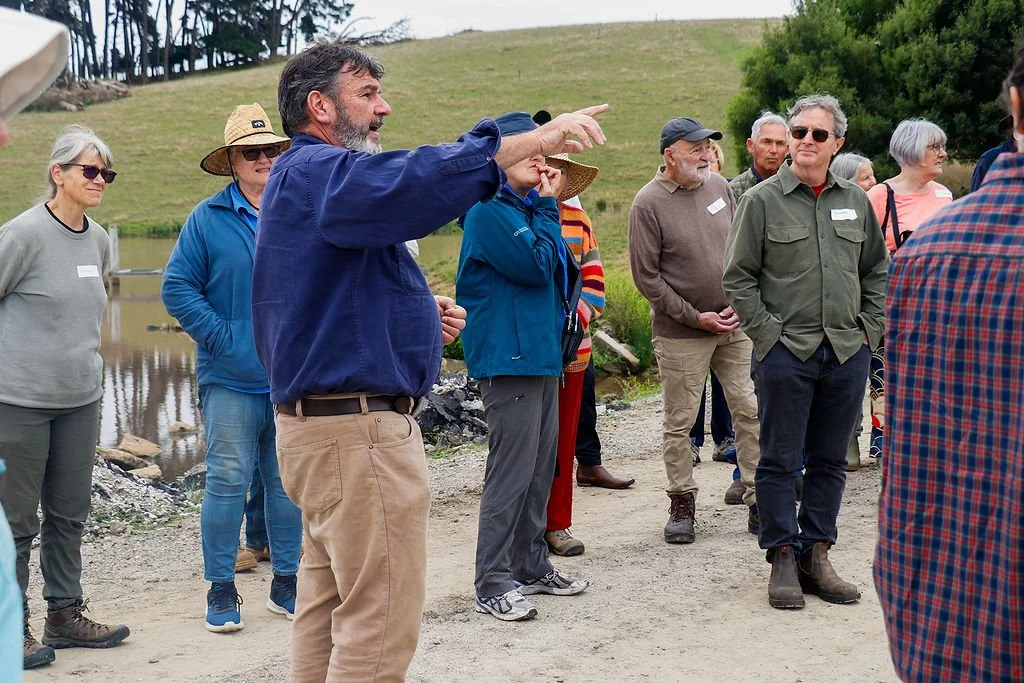
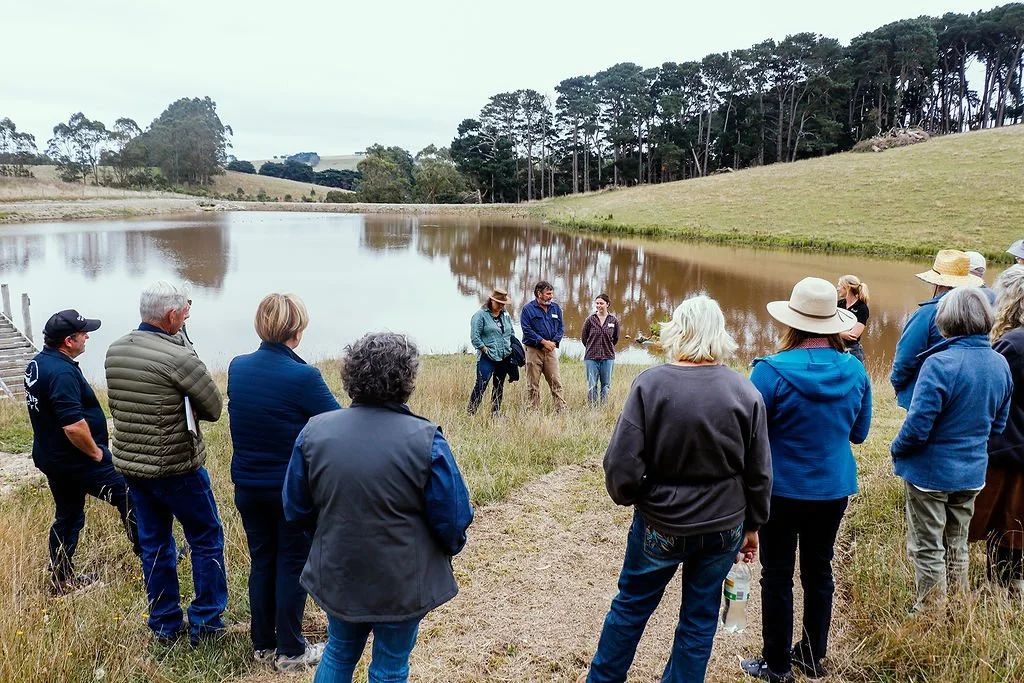
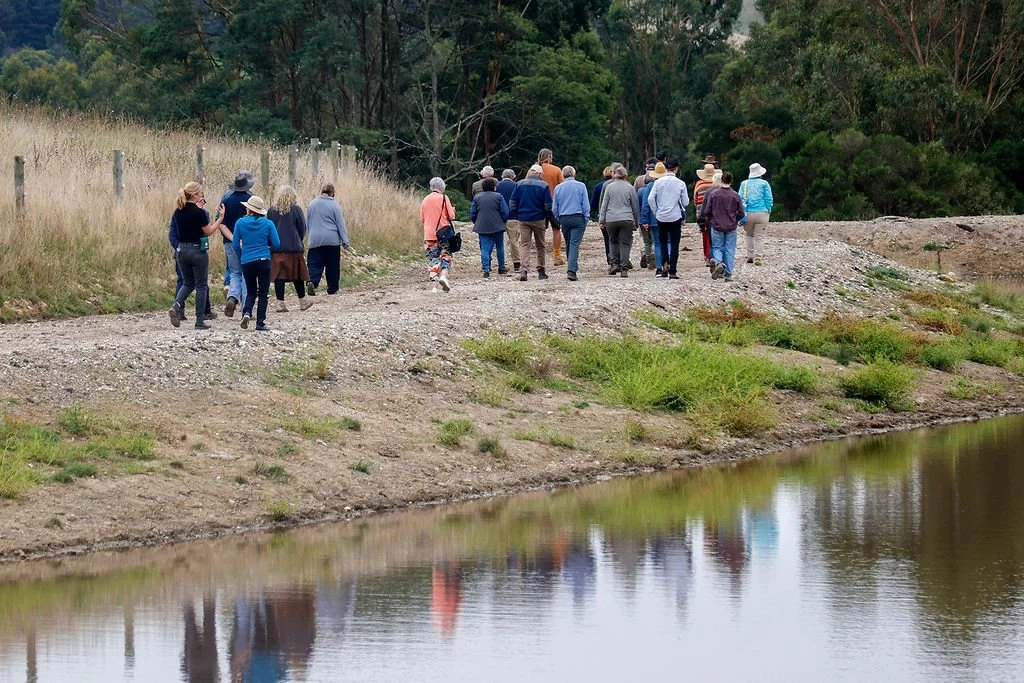
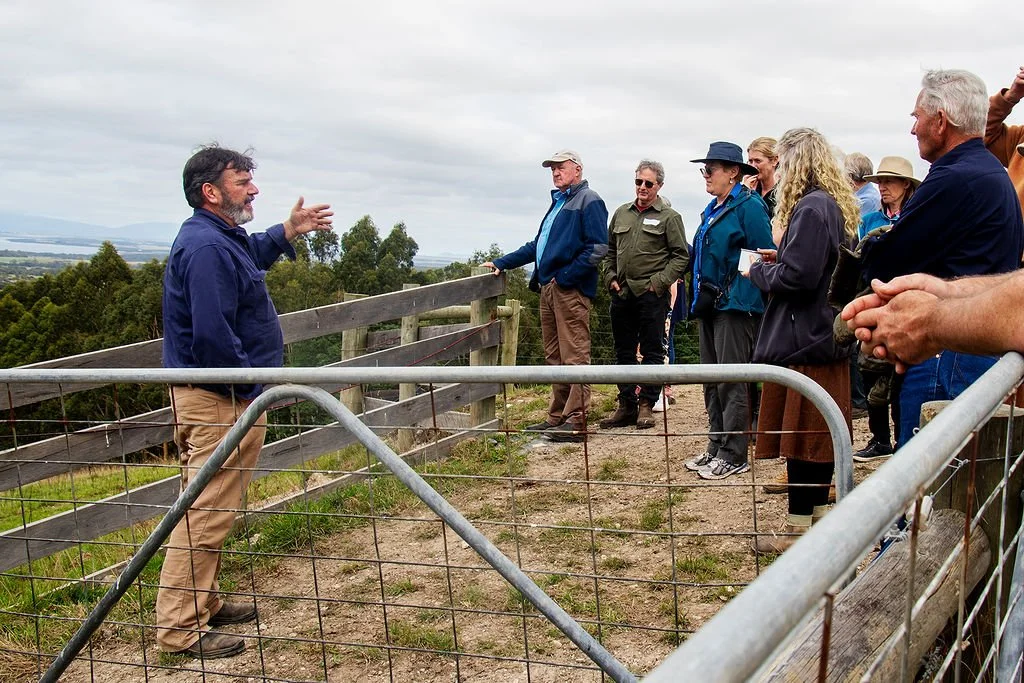
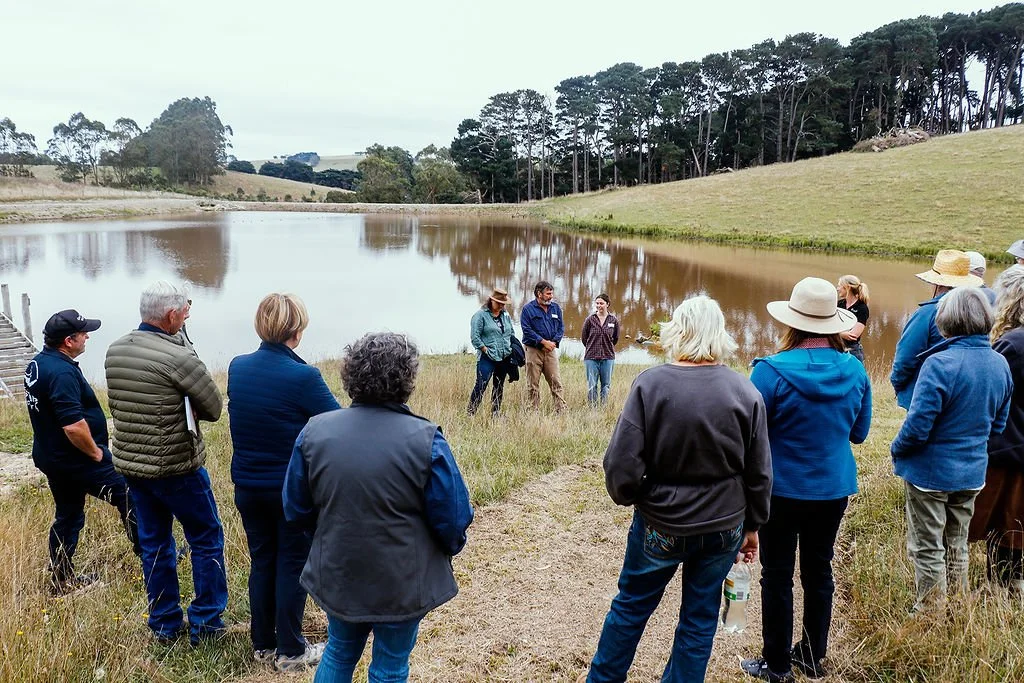
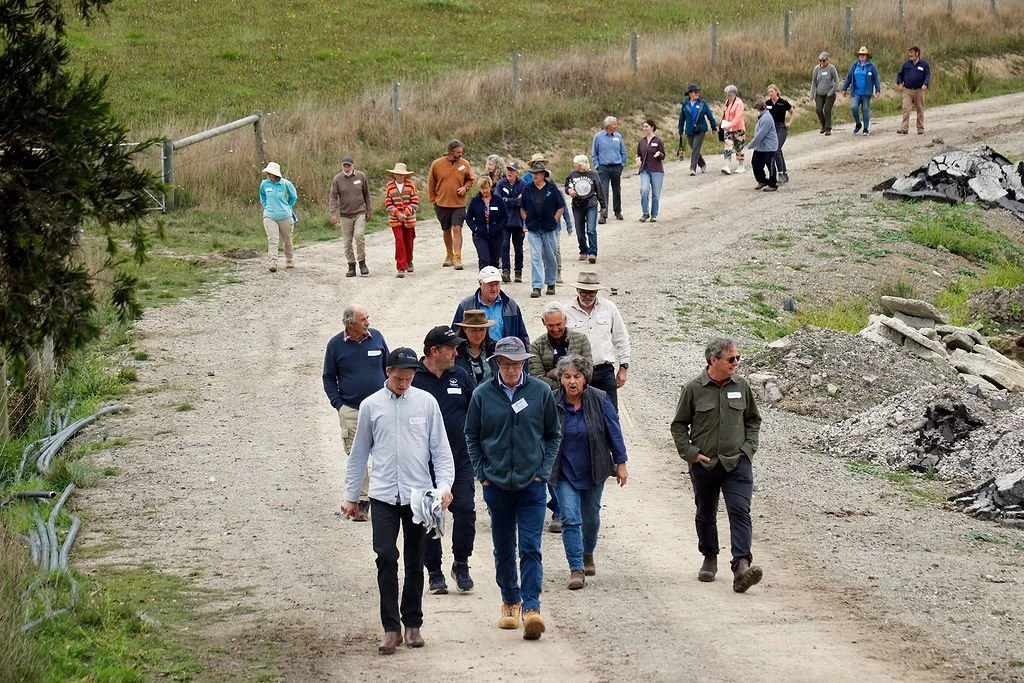
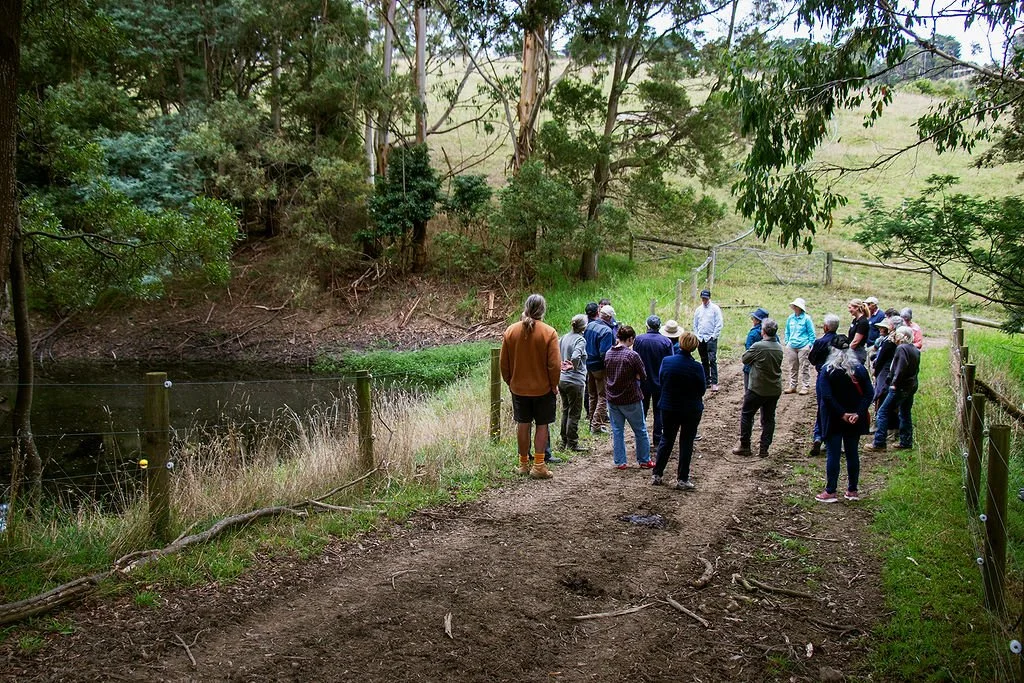
The afternoon farm walk brought the conversation to life.
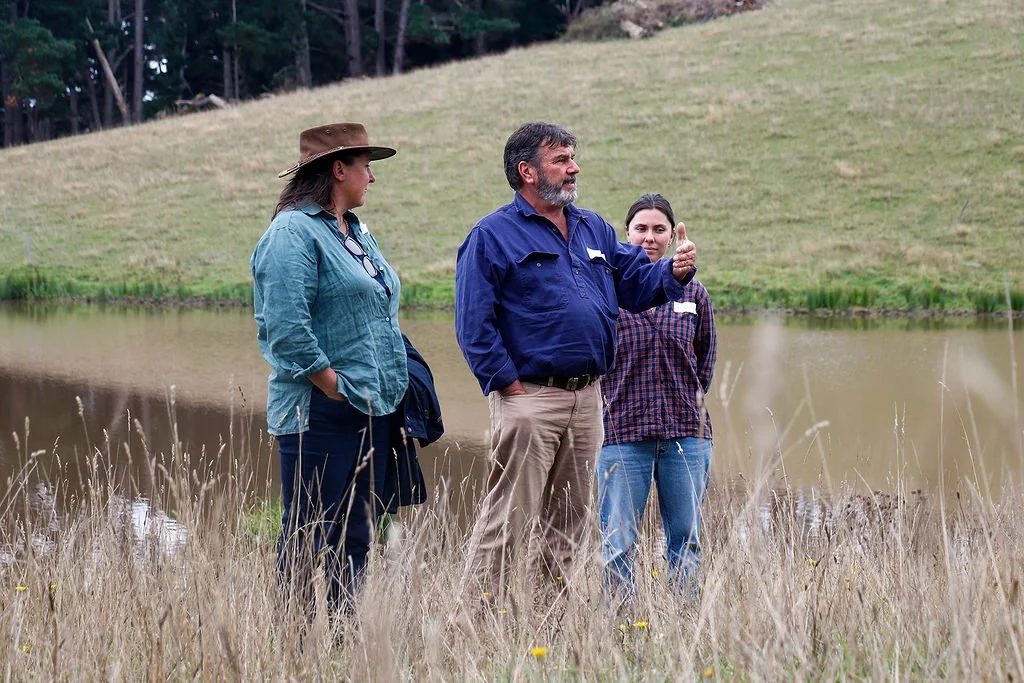
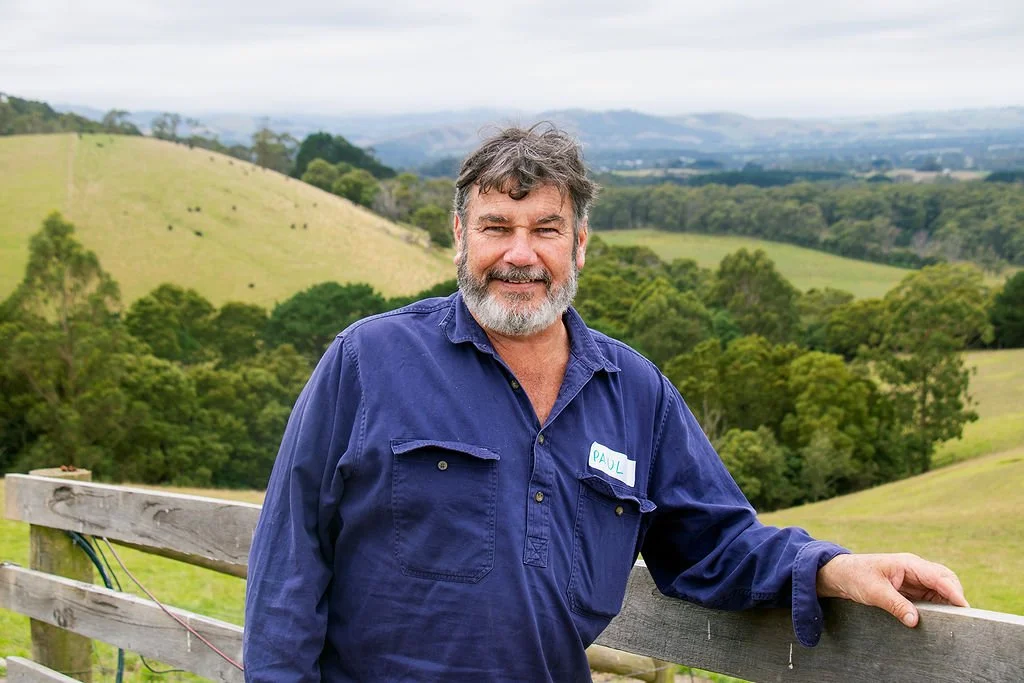
Paul and Sam Crock have spent more than 20 years progressively improving their water and land management, guided by research from the Australian National University’s Sustainable Farms Project and their own on‑ground experience.
Their approach focuses on balancing environmental stewardship with business performance and animal health—and the results were clear.
Participants saw firsthand the ‘before and after’ outcomes of improved dam systems, including fencing, off‑stream watering points and strategic revegetation.
“Fencing off farm dams leads to cleaner water. Cleaner water flowing into our water troughs leads to enhanced outcomes,”
— Paul Crock, beef producer
These changes have improved water quality, reduced erosion, enhanced biodiversity and supported more efficient stock management—demonstrating that environmental gains and farm productivity can go hand in hand.
Field Day Gallery
From the Fish Creek Hall to the farm walk—see the Greening Dams field day in action.
Building whole‑of‑farm resilience
Beyond dams themselves, the day highlighted the value of whole‑of‑farm planning. Discussions explored how water management connects with:
Stock and pasture management
Reduced evaporation losses
Weed control
Shelterbelts and tree planting
Long‑term water security planning
As Brodie Anderson from Food & Fibre Gippsland reflected:
“The field day strengthened regional knowledge sharing and showcased clear pathways for Gippsland producers seeking to build more resilient, productive and climate‑ready water management systems.”
Participants left with a clearer understanding of how incremental improvements—planned over time—can reduce risk, support business viability and build resilience in an increasingly unpredictable climate.
Learn more
More information about the Greening Dams project is available in the Greening Gippsland’s Dams Case Study Round 1 and Greening Gippsland Dam’s Case Study Round 2.
This project is supported by South Gippsland Landcare Network, through funding from the Australian Government’s Future Drought Fund, the Victoria Drought Resilience Adoption & Innovation Hub, and Food & Fibre Gippsland as the South‑East Node of the Vic Hub.
For more information, contact:
Brodie Anderson – Brodie.Anderson@foodandfibregippsland.com.au
Kirby Leary – kirby@sgln.net.au