Gippsland Strengthens Global Ties with Denmark to Advance Circular Economy and Renewable Energy
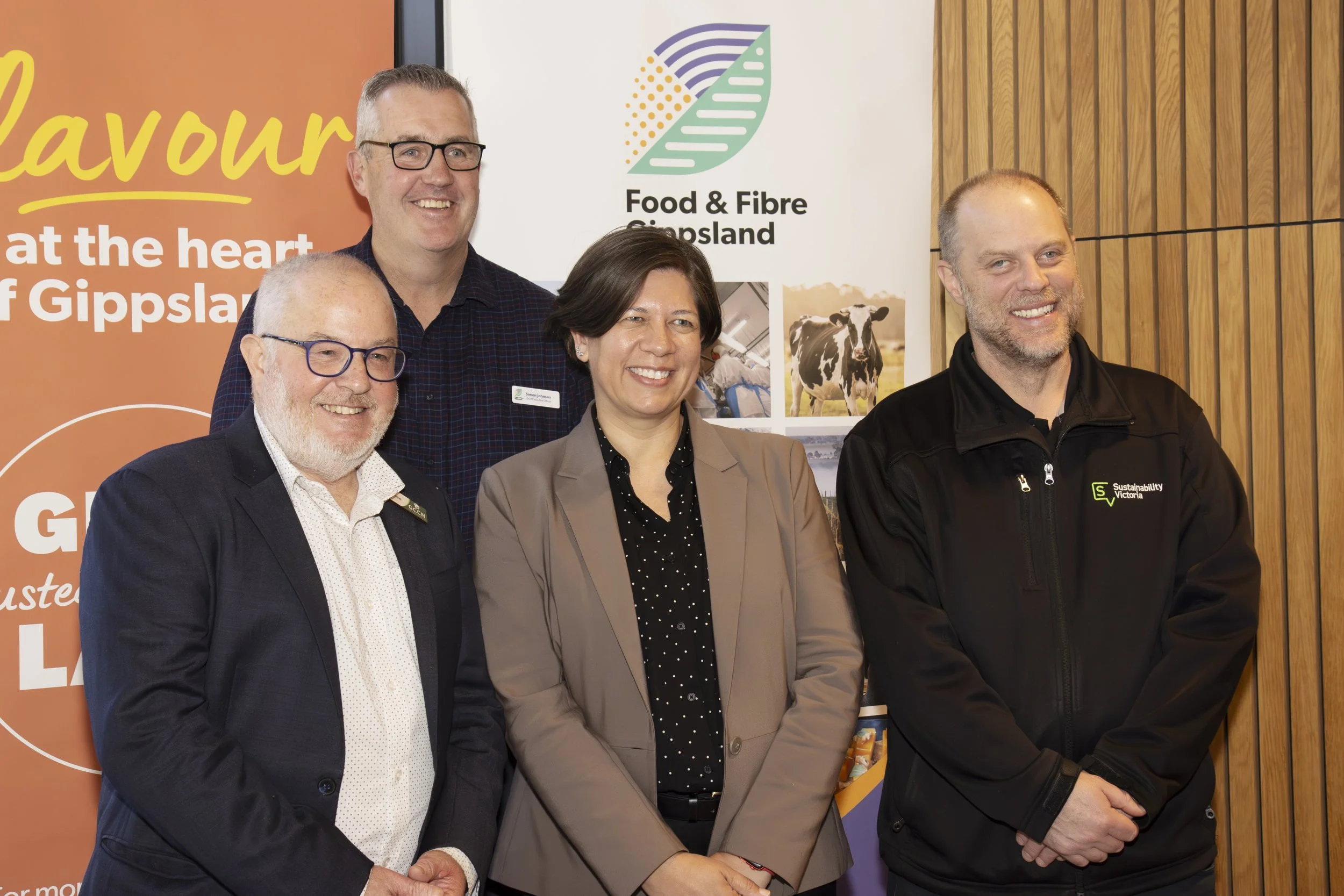
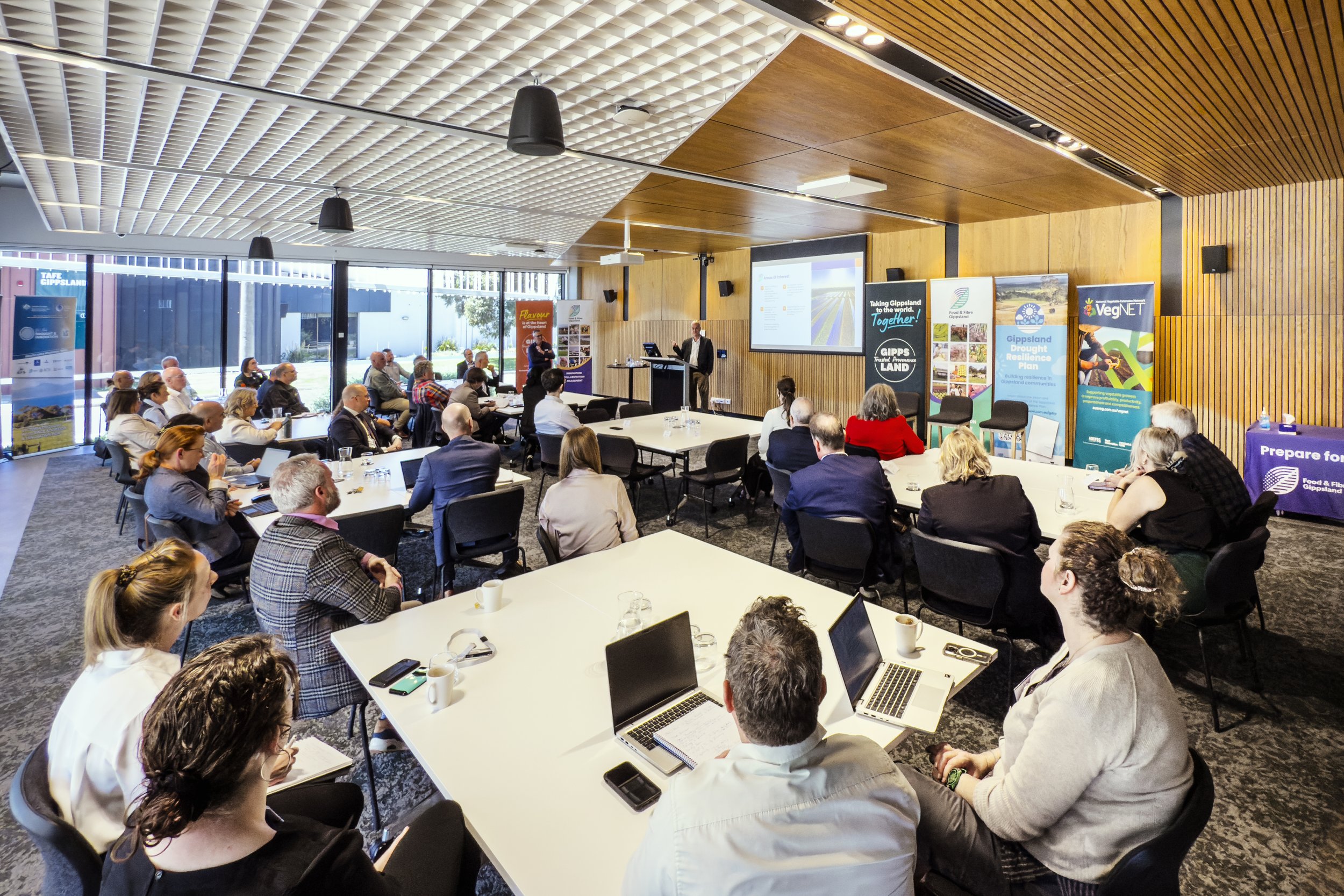
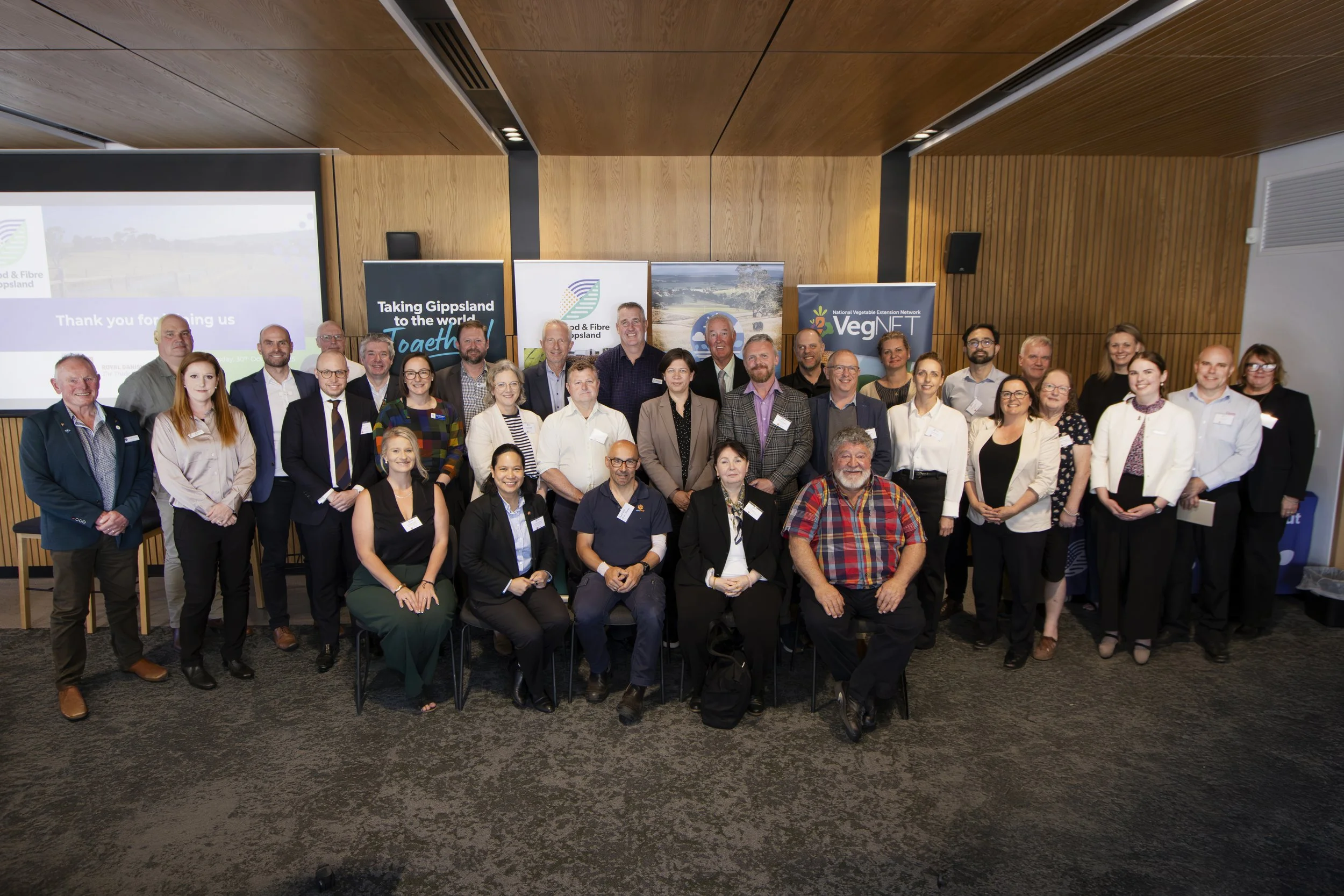
Food & Fibre Gippsland landmark event with the Danish Ambassador to Australia and Danish Trade Delegation
Food & Fibre Gippsland recently hosted a landmark event that brought together industry leaders, government representatives, and international partners to explore transformative opportunities for Gippsland’s future.
A Strategic Luncheon with the Danish Ambassador
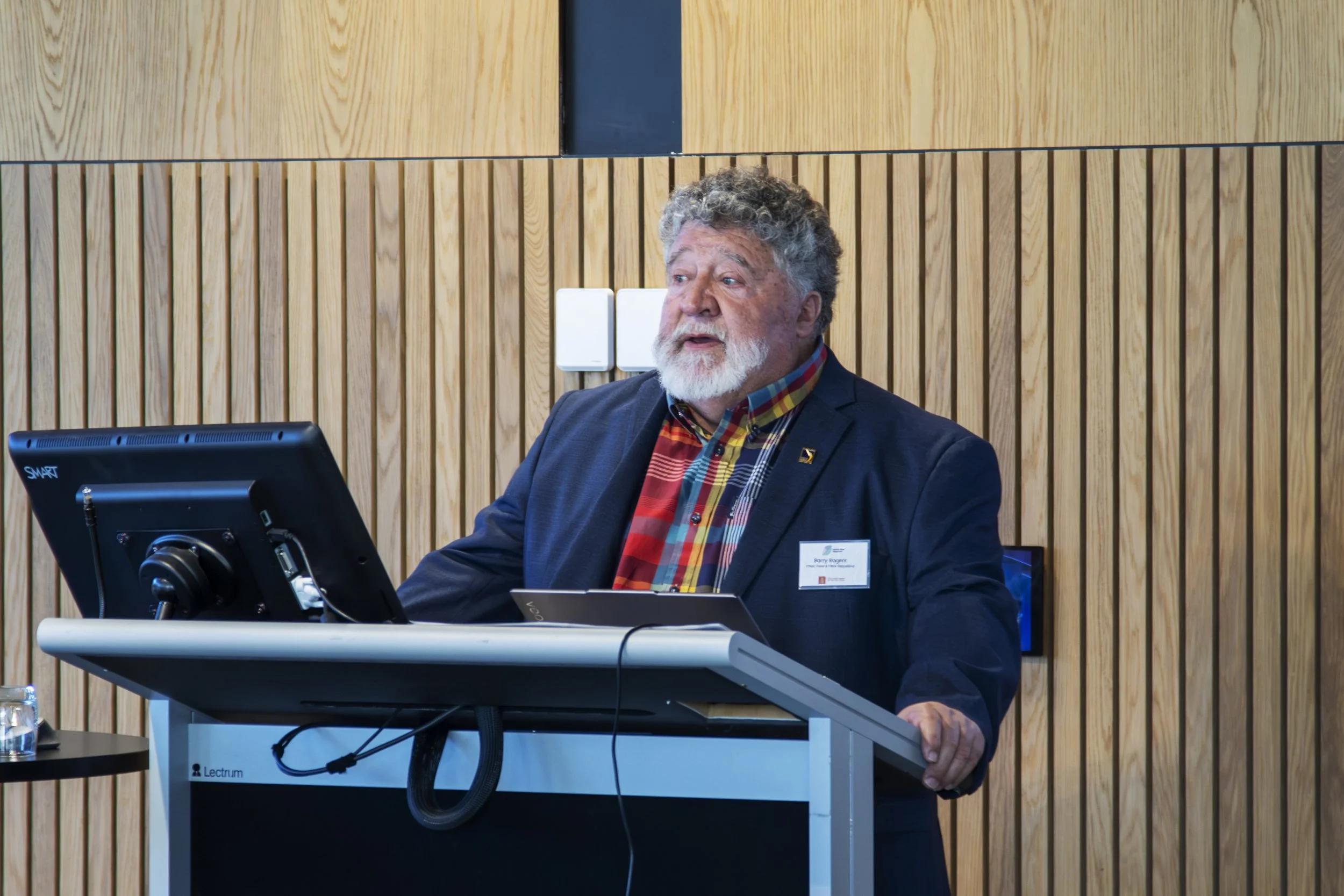
Themed ‘Collaboration with Denmark in Advancing Gippsland’s Circular Economy & Renewable Energy Potential’, the event featured a keynote presentation by Her Excellency Mrs. Ingrid Dahl-Madsen, Danish Ambassador to Australia, New Zealand and Fiji. Held in partnership with the Royal Danish Embassy and the Trade Council of Denmark in Australia, the luncheon served as a platform for dialogue, innovation, and strategic collaboration.
Building on a Strong Foundation
Food & Fibre Gippsland’s CEO, Simon Johnson, described the event as a pivotal moment for the region:
“This partnership connects Gippsland’s food and fibre industries with Denmark’s global leadership in renewable energy and circular economy innovation. It opens doors for investment, knowledge sharing, and sustainable development.”
The event builds on the Strategic Partnership Agreement (MoU) signed in October 2023 between Food & Fibre Gippsland and the Trade Council of Denmark. This agreement supports Gippsland’s alignment with the Victorian Government’s Gippsland Circular Economy Plan (GCREP) and Australia’s broader climate commitments.
Learning from Denmark’s Community Engagement Success
A key focus of the event was understanding how Denmark has successfully engaged local communities and stakeholders in the development of bioenergy and circular economy projects. Denmark’s experience shows that early and inclusive engagement—particularly with farmers, local businesses, and Indigenous communities—is essential to building trust, ensuring project relevance, and achieving long-term sustainability.
Empowering Gippsland’s Local Stakeholders
The event also explored how Gippsland can apply these lessons by involving:
· Farmers in the supply and innovation of biomass and organic waste streams
· Indigenous communities in co-designing projects that respect Country and cultural knowledge
· Local businesses in circular economy value chains and renewable energy solutions
This inclusive approach will be central to the planning and implementation of future joint activities under the AU-DK Strategic Partnership.
Unlocking Gippsland’s Circular Potential
Gippsland has enormous potential to lead in bioenergy and circular economy innovation, as highlighted by the Gippsland Circular Futures Initiative. However, the region still faces challenges such as:
· Gaps in infrastructure and investment readiness
· Limited awareness and technical capacity in some sectors
· The need for stronger policy alignment and cross-sector collaboration
The partnership with Denmark aims to address these challenges through:
· Joint feasibility studies and pilot projects
· Knowledge exchange and technology transfer
· Policy and regulatory guidance
· Study tours and capacity-building programs
A Shared Vision for a Sustainable Future
With support from the Gippsland Climate Change Network and Sustainability Victoria, this partnership is already delivering tangible outcomes:
· Webinars and workshops on circular economy practices
· A feasibility study on sustainable food production (2023–2024)
· A Denmark study tour on agrifood innovation, biogas, and waste-to-energy (2024–2025)
Food & Fibre Gippsland is committed to continuing this collaboration, ensuring that Gippsland’s transition to a circular, climate-smart economy is inclusive, innovative, and internationally connected.
Stay informed, get involved, and explore partnership opportunities by subscribing to our newsletter here or contacting our team directly at info@foodandfibregippsland.com.au.